
The Good Work
Original Publish Date: January 21, 2026
Originally written in winter 2024/25
Disclaimer: All thoughts, feelings, views, and opinions expressed in the following text are my own and do not represent that of my past, present, or possible future employers and groups I am affiliated with.
Dedicated to my Grandfather and his legacy that lives on.
Recently when speaking with my grandfather, I was telling him about how I had finally become a Registered Architect. And as many of his responses go to good news and life updates, he exclaimed “Wow, that’s amazing! Keep up the good work.” Later that day, I started contemplating that response - The Good Work. A phrase I’ve heard him say for over two decades but only now does it seem to have deeper meaning. What is Good Work in the architecture profession? What makes a building Good?
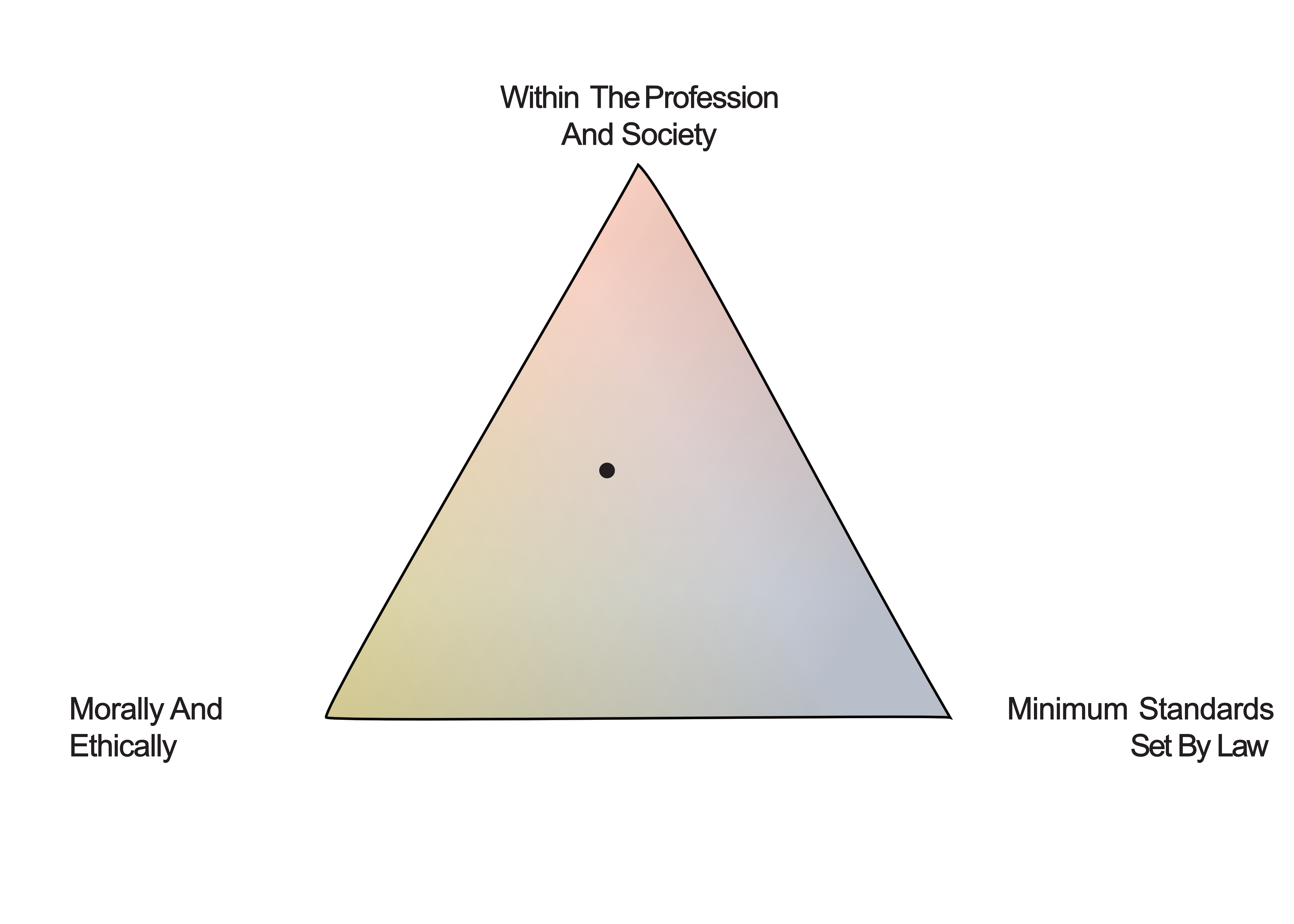
Obviously, my grandfather was trying to convey the sentiment of ‘continue doing well for yourself,’ but after some reflection, I conceived three different types of Good Work within the architecture profession that could be used to assess all buildings and designs. Each serves a purpose and is of equal value.
1. Good Work, as in meeting the minimum standards set out by building codes, accessibility standards, zoning regulations, the client’s program, etc.
2. Good Work, as in morally and ethically good work that helps improve people’s lives through the designing of and building of architecture.
3. Good Work, as in within the profession; capital ‘A’ architecture, the starchitects we love and hate, the firms that are pushing the design and technology of architecture.
Within the framework of these three definitions of Good Work, we can analyze the built world around us and proposed designs for how well it serves us and adds value to our world and our lives.
1.
The public restroom is a necessity in America. In most parts of the world, public restrooms do not exist or they cost money to use. Yet, in America, the public toilet is usually only limited by its hours of operation. They can be found just about anywhere – in the middle of a park, tucked in a corner of a private building along a public way, or in rest areas along major roadways. And yet each of these spaces, no matter how small and humble or large and decadent, all conform to the first definition of Good Work. These spaces are to meet standards and regulations defined by building codes, accessibility standards, etc. The spaces are designed to be used by the public, for all to be able to use.
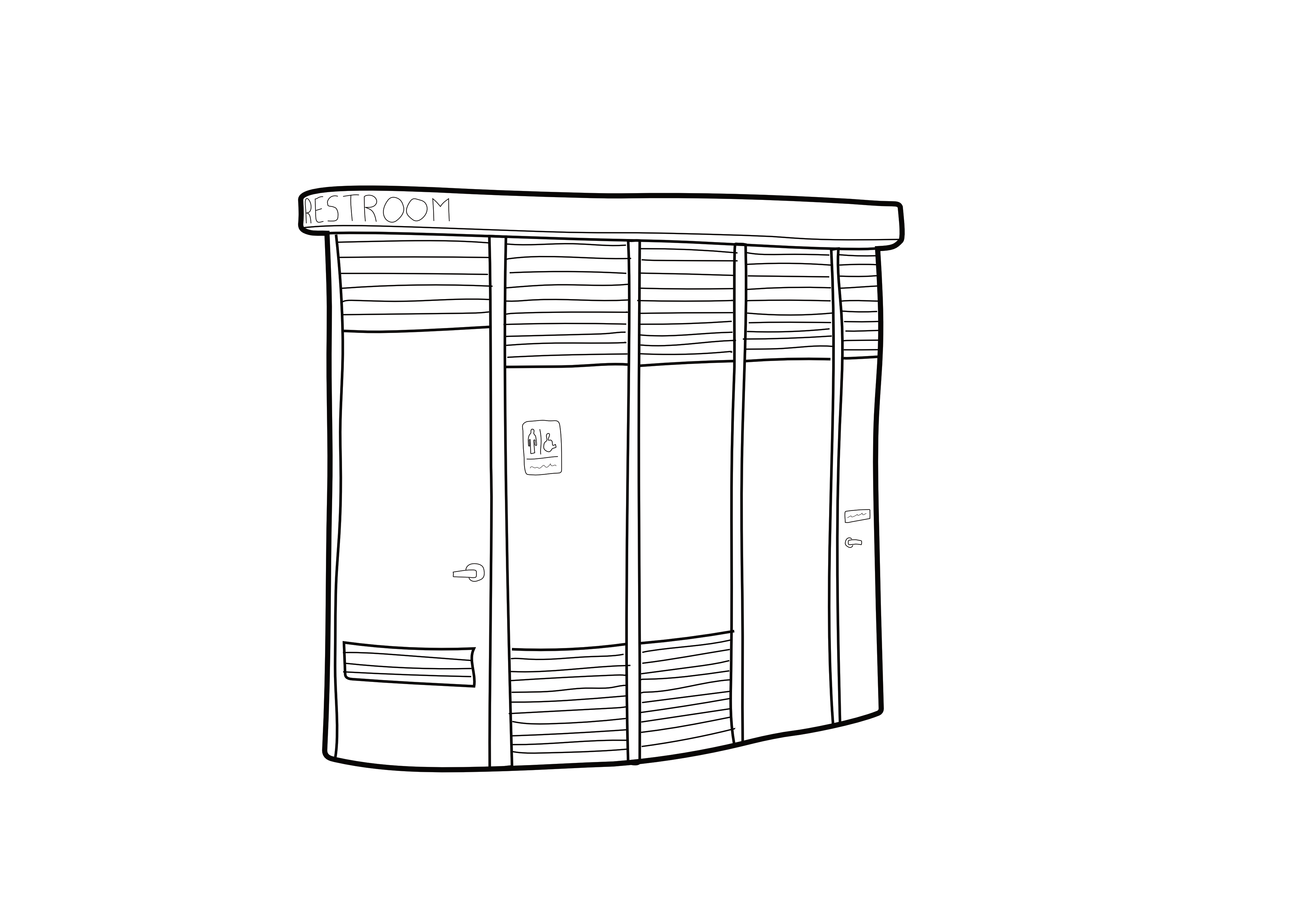
A public restroom module in Cambridge, MA
2.
One of the first projects I worked on after architecture school is something referred to as moderate rehabilitation (mod rehab for short). The scope of the work from the architect’s standpoint was to go to housing, usually government-owned or funded housing that had been neglected and unkept by previous management and fell in to a state of disrepair, qualitatively assess it for the improvements needed to bring it back up to minimum living standards, and then oversee the coordination of the contractors as they went about making these improvements. One of the hardest realities to grasp with these projects is that there were people living in these dwelling units in some of the worst conditions that are far below any acceptable condition. This work was occurring because the portfolio of apartments/buildings had been leased to new management who then are required to refurbish the buildings up to the standards agreed upon in the contract between the housing authority and management company.
So here I was walking through hundreds of units, some in truly unthinkable conditions, and people are currently residing there as placed by the housing authority. It was some of the most mentally and emotionally taxing work I’ve ever done, yet I generally felt good doing this work. I knew that the hard work of assessing these buildings would help tenants see the improvements in their physical dwellings they so desperately needed and had been asking for. At the end of the day, this is the second definition of Good Work – the moral obligation of helping those in need through the services that the architecture profession can provide.
Those who followed the 2016 presidential race closely might remember when Hillary Clinton visited some apartment units in East Harlem, Manhattan that are owned by the New York City Housing Authority (NYCHA). The apartment unit that she visited is typical of what I experienced in doing mod rehab projects; these tiny units are very lived in, walls and ceiling are falling apart, haphazardly repaired; there is lead paint, asbestos, leaky pipes, mold, rodents and critters, windows and MEP equipment that do not function correctly, etc.
The unit Clinton visited was relatively well-maintained compared to many of the apartments I’ve seen in my time doing this work in New York City and elsewhere. And yet, her facial expression in this photo says it all; for those who have not been exposed to the widespread neglect of our country's housing stock, specifically in impoverished communities, these conditions are shocking, unfathomable, and wrong. Sadly, this is something I feel society easily turns a blind eye to so that the majority can live their lives comfortably ignorant - out of sight and out of mind. But it is something that can not be forgotten once experienced firsthand.
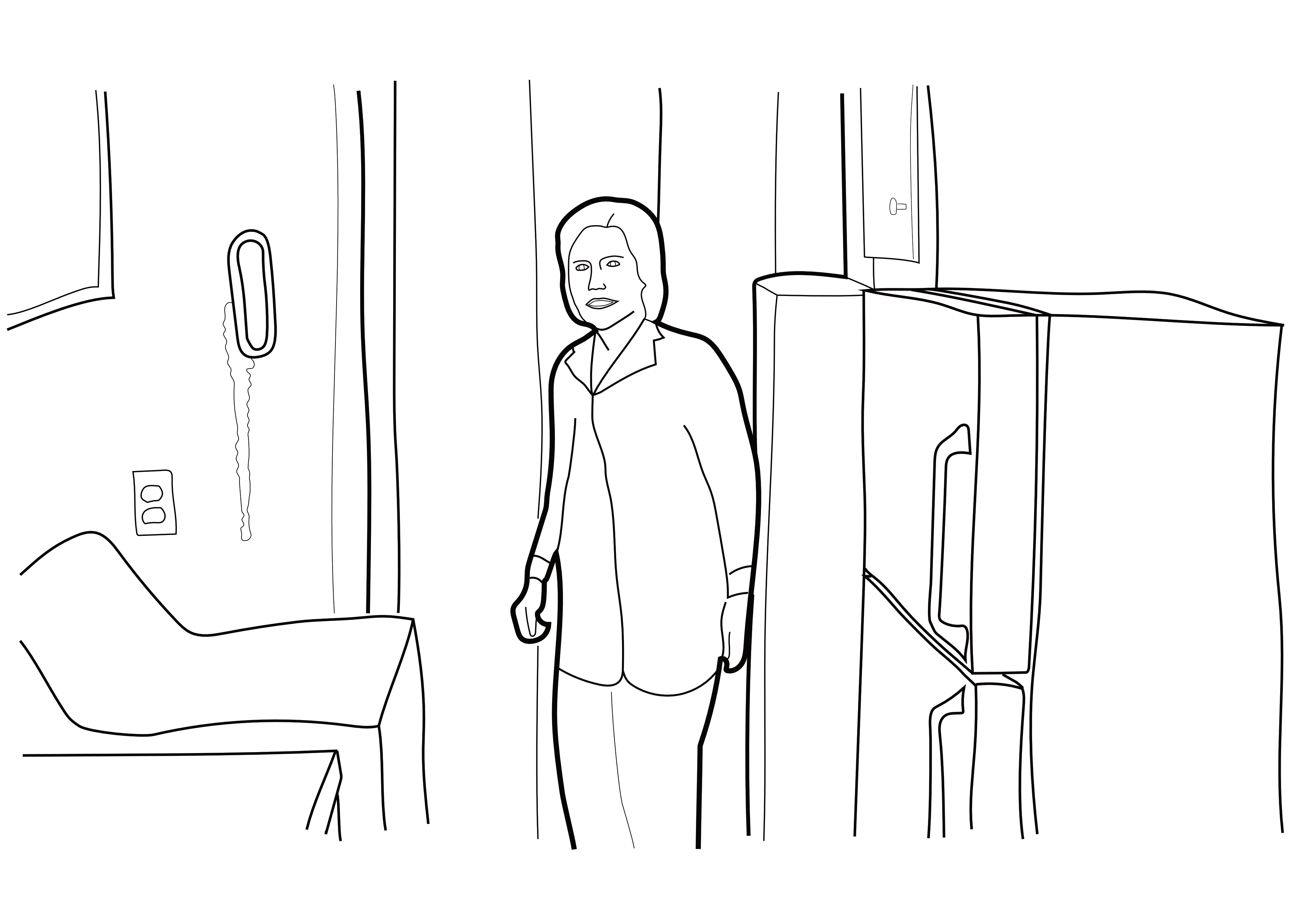
Then candidate Clinton touring a NYCHA unit during the 2016 Presidential Race
3.
The last definition of Good Work I provided tends to be more subjective in that each designer and user will have their own design sensibilities. This is usually a good thing and helps to keep the world of architecture and design balanced; The architect, the owner, and other parties bring their own ideas to the same table. I think most designers and architects can agree that Frank Lloyd Wright designed and built a lot of great examples of Good Work throughout his career. I also wouldn’t doubt that at any minute in an architecture school’s studio, I could start a heated debate by stating ‘Frank Gehry designs and builds good work equal to Frank Lloyd Wright’. At the end of the day, this type of Good Work can occur at all scales, scopes, and by any architect or designer. It is Good because it is good to someone.
Yet, Good Work in this definition isn’t always subjective. There are countless news stories of residents in historically settled and developed communities in uproar when a developer comes in and proposes a different aesthetic building within the community. In that sense, Good Work finds itself not so much as architecture for the architect’s sake, but architecture for the sake of a place and its community. For those living in and around historic places, like Boston, the headaches involved in the process of a proposal being fought against can be tiring. It can also be what ends up stopping any development at all costs, even though it would likely fulfill a desperate need in the community. Yet, public debate and conversation is inextricable from architecture. The investment of time and energy by the community can really help a project be successful.
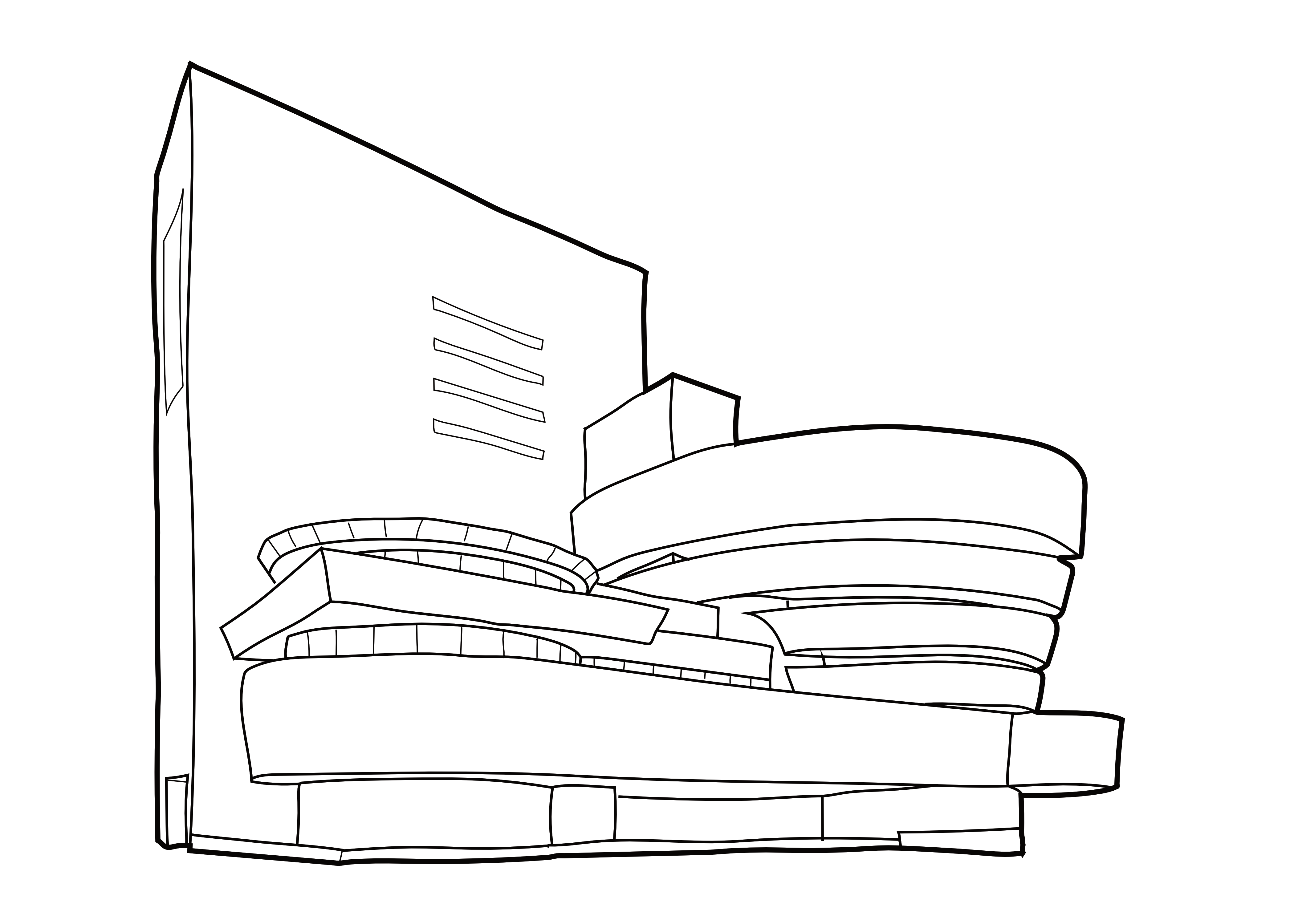
the Solomon R. Guggenheim Museum designed by Frank Lloyd Wright
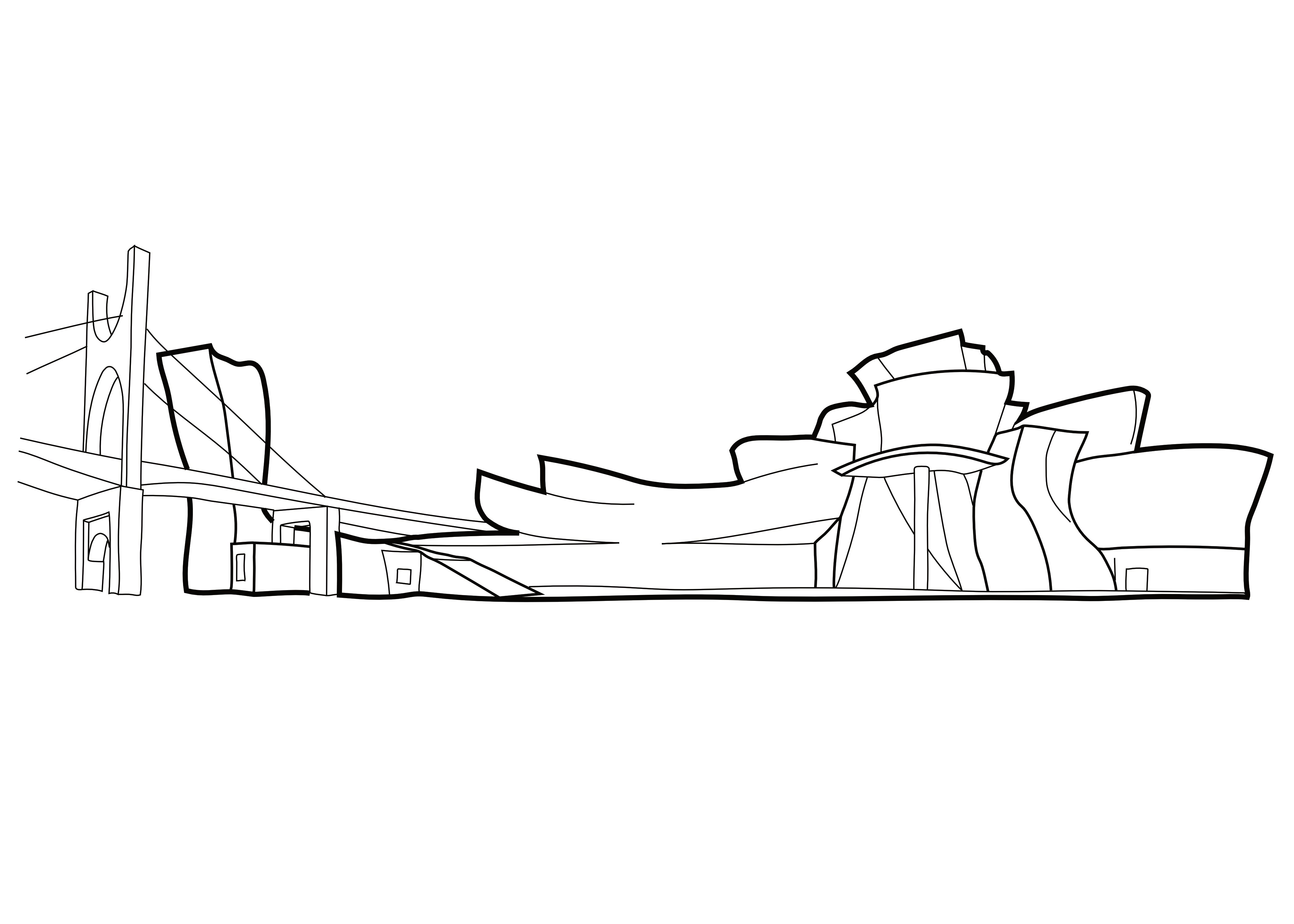
the Guggenheim Museum Bilbao designed by Frank Gehry
In a similar vein, the proclamation of Good Work implies that there is Bad Work. We can derive a definition for Bad Work through the inverse definition of Good Work: it isn’t accessible or up to code; it is unethical or immoral; it doesn’t work to serve the profession or the public. Some of these answers are subjective too. Could Frank Lloyd Wright be considered having done Bad Work by famously not caring if his buildings had leaky roofs and are not up to today’s codes and standards (Frank Gehry too for that matter), or did Zaha Hadid do Bad Work when migrant forced laborers were killed building her design for a football stadium in Qatar? Maybe the work itself isn’t bad, but the architect’s responses are and that ultimately leads to the work being Bad in some capacity in my mind.
How do we contend that there is Bad Work in our world? A quick and simple answer would be to continue doing Good Work to set a good example. A better and more active answer would be advocating for better standards, regulations, and aesthetics. An even more active response would be to join local government in some capacity to bring one’s professional expertise to the table. There are numerous other answers and solutions to this question, but they all center on what the Good Work really is and how we as architects must actively continue to work towards achieving that for the entirety of the built environment.
A secret fourth type of Good Work I left out of this rambling has to do with the architect’s role and responsibility to the client. A good architect works to protect the client from exposing themselves to risk. This involves ensuring the building meets standards and regulations. Sometimes, it entails telling the client an honest opinion they may not want to hear or helping them select a contractor who is competent and experienced enough to understand the design and its intent to the quality and outcome the client desires. I left this out because this feels less so about The Work itself and more about The Architect. However, it is an essential part of any project an architect decides to take on and shouldn’t be disregarded.
Overall, this reflection provides a framework by which I can continue to measure the quality and purpose of my work as an architect. This framework is a facet of my understanding of the profession, the architect I desire to be, and the career I hope to have. Will this be a moral guardrail for myself or a barrier to my career that I myself laid the foundation for? As a young architect, I have a long career ahead of me in which I will continually need to consider who to work for and with, which projects I take on, and how I go about providing my service to those clients and projects. It's both a weight to bear and a higher ground to stand upon, but it all goes back to understanding and assessing the meaning of Good Work.
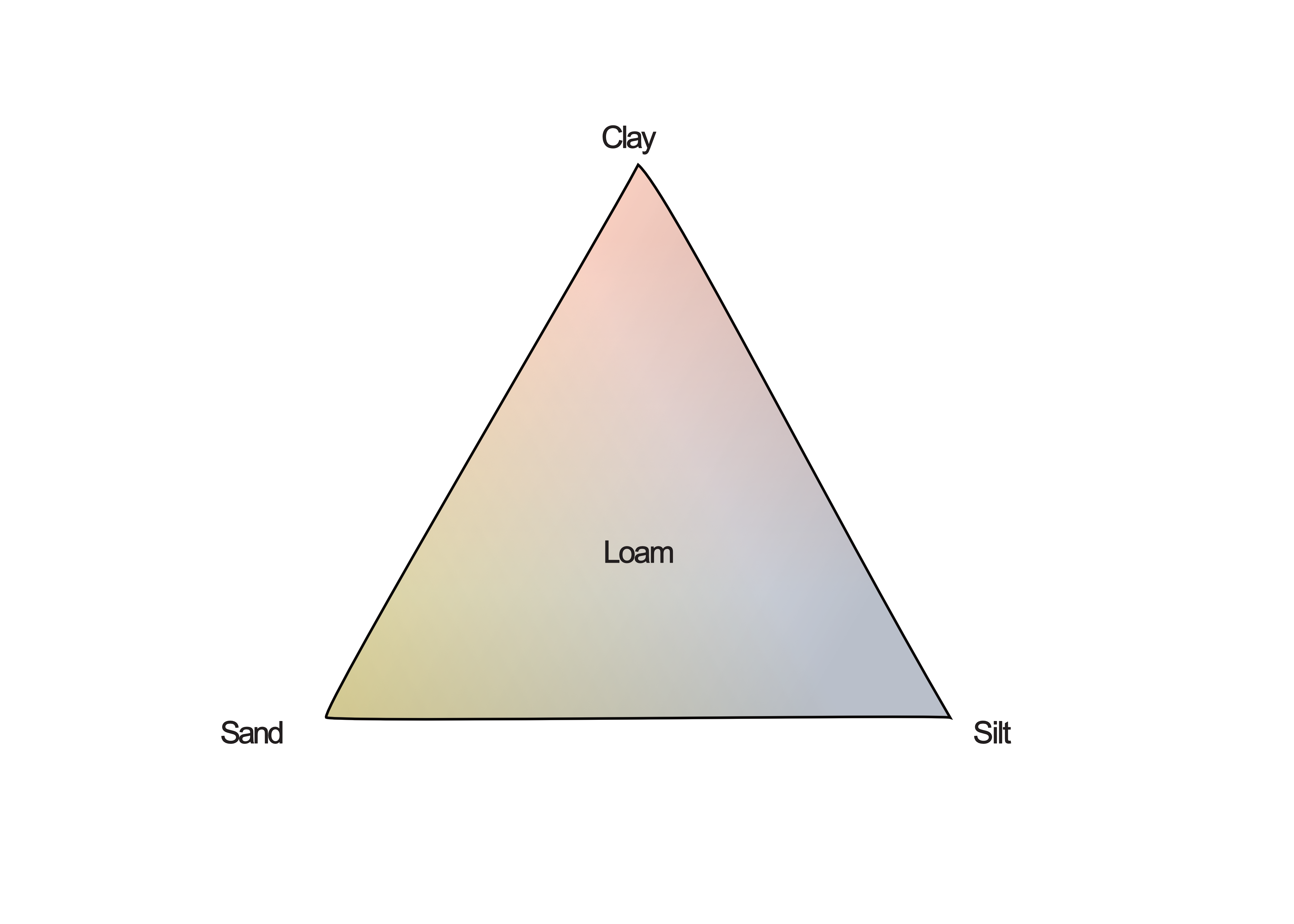
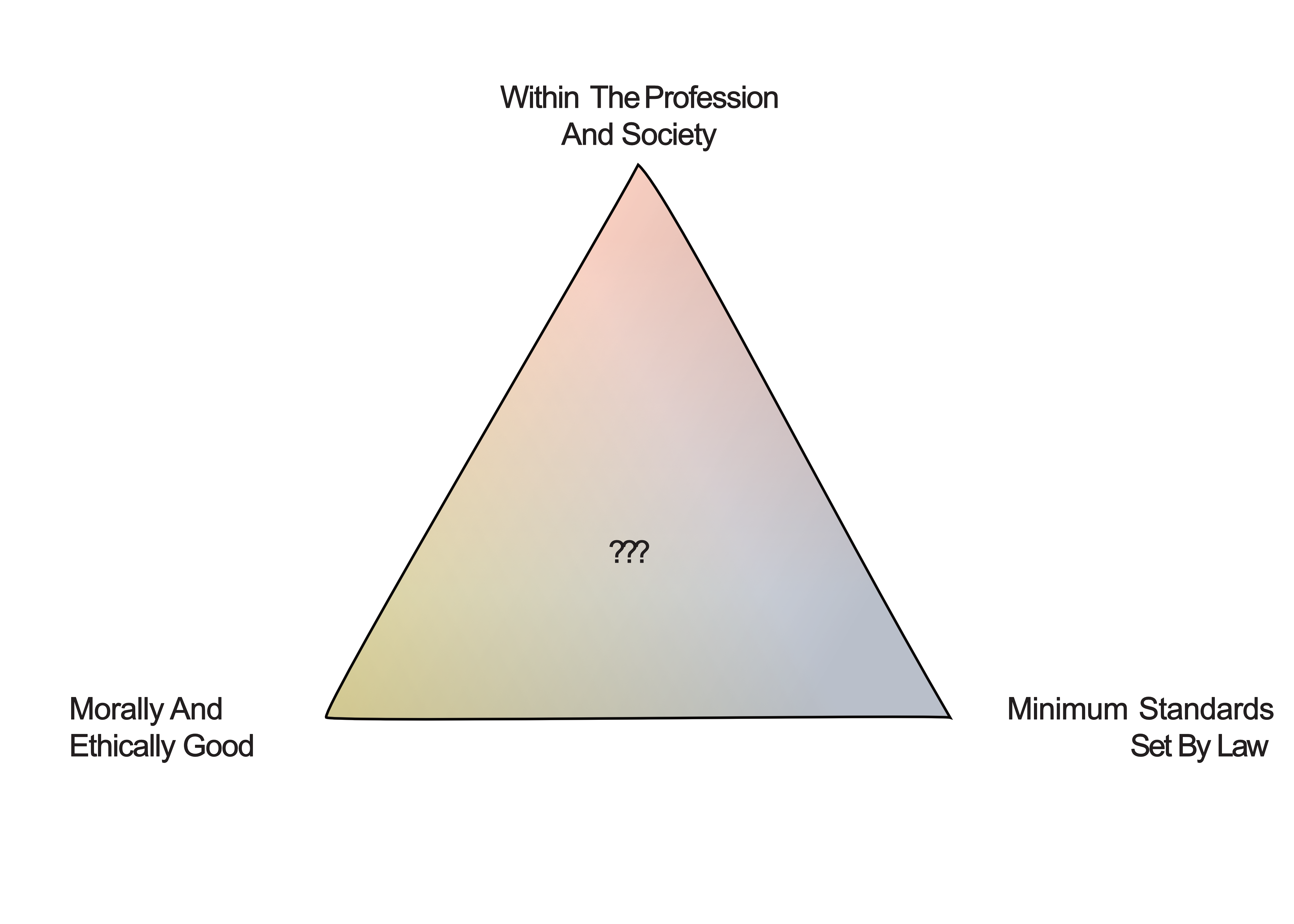
In school the soil analysis chart was one of my favorite things I learned. I think it's interesting to retool it with the three definitions of Good Wood I presented in this piece to be abkle to analyze the built world around us.
The knowledge and belief that my profession is one of service and not self-serving righteousness is what makes being an architect a truly special role in society; to serve all for we all inhabit the built environment. When my grandfather and I were speaking, he wasn’t speaking of building codes, or the physical reality of the built environment, or the aesthetics of any building. He was speaking about the hard work ethic he was raised with, that he instilled in my father, and my father subsequently instilled in me. By telling me to 'Keep up the good work," my grandfather unknowingly encouraged me to continue doing the Good Work, what I perceive as the fundamental role of an Architect in society.
Appendix
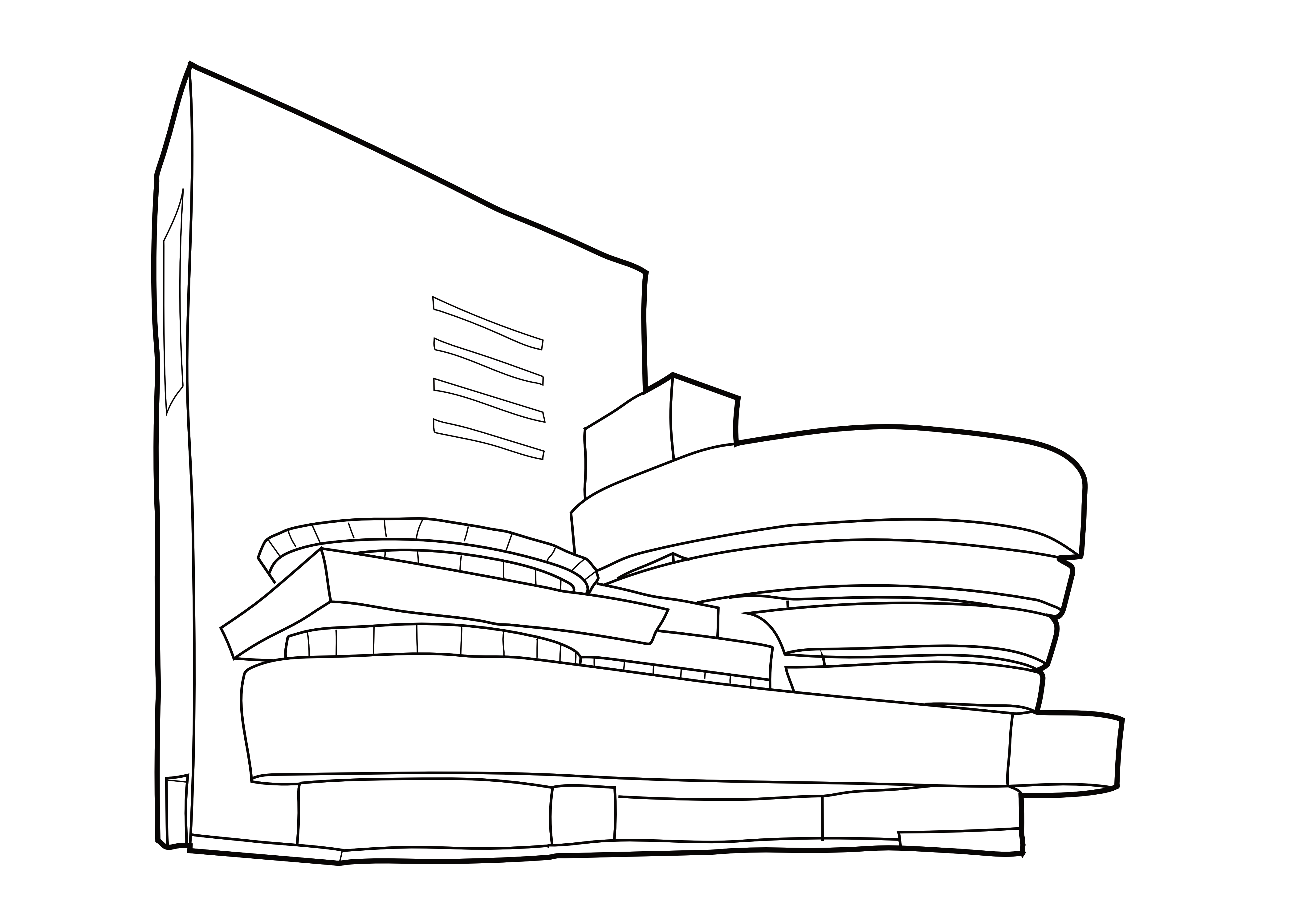
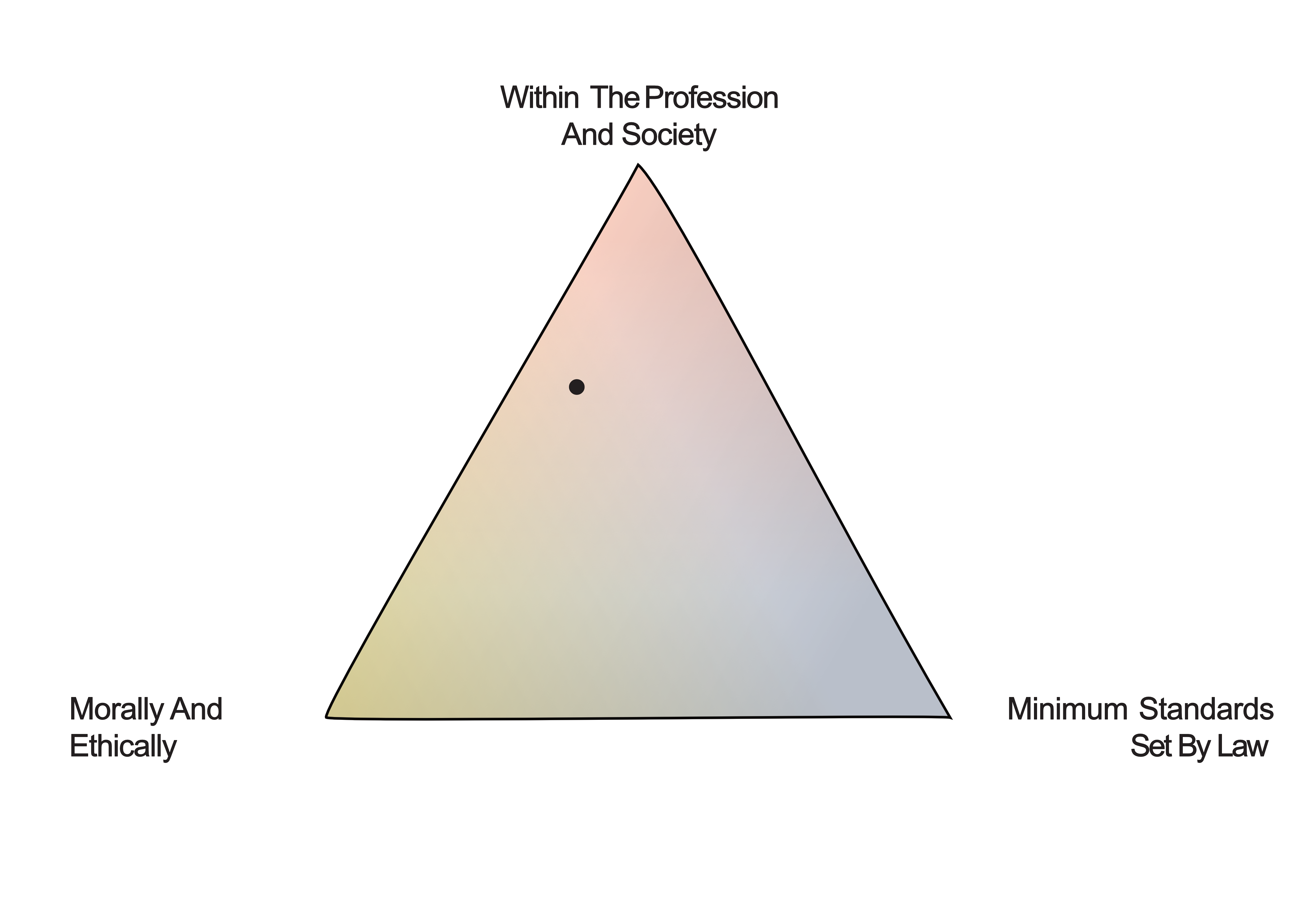
the Solomon R. Guggenheim Museum designed by Frank Lloyd Wright
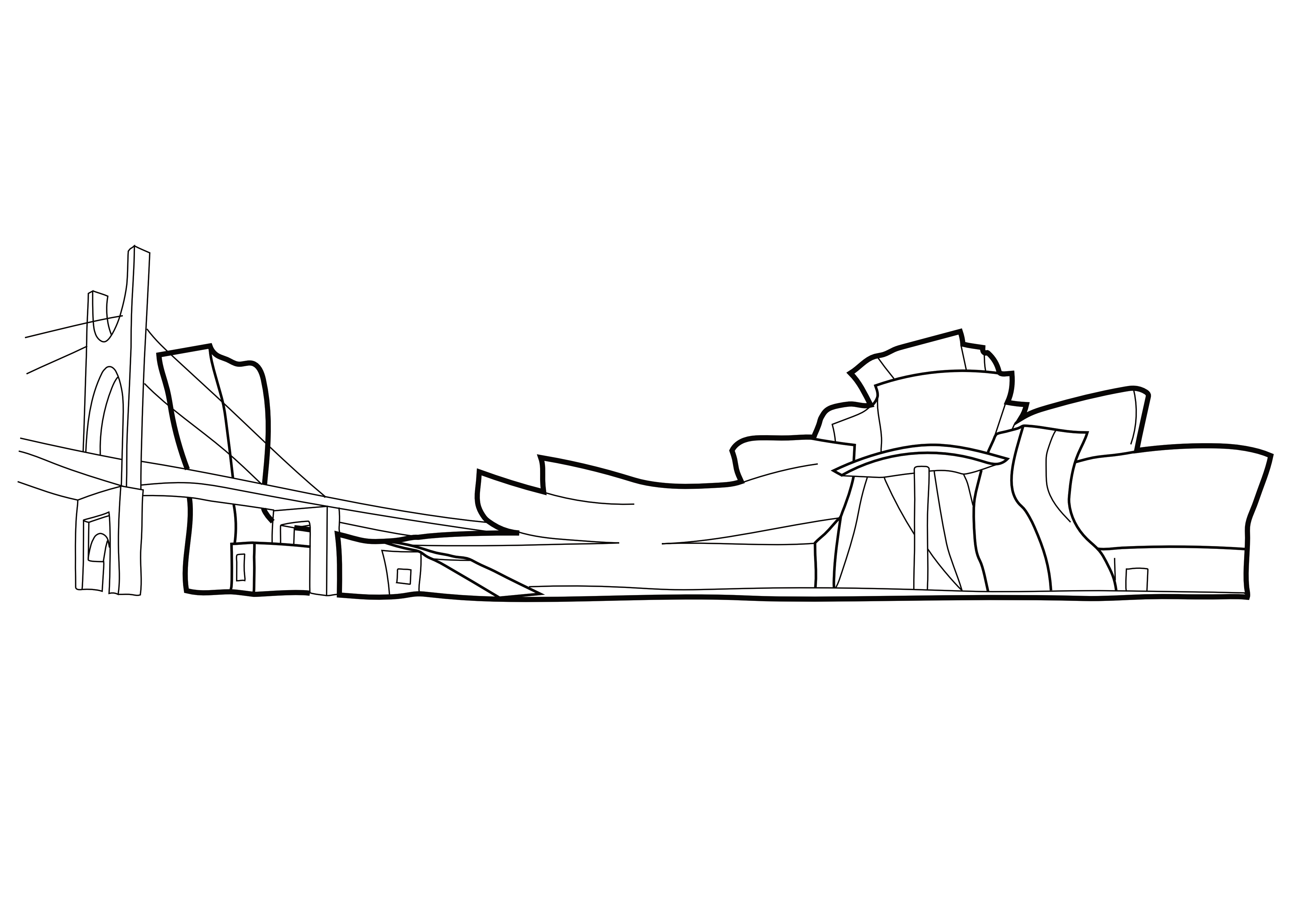
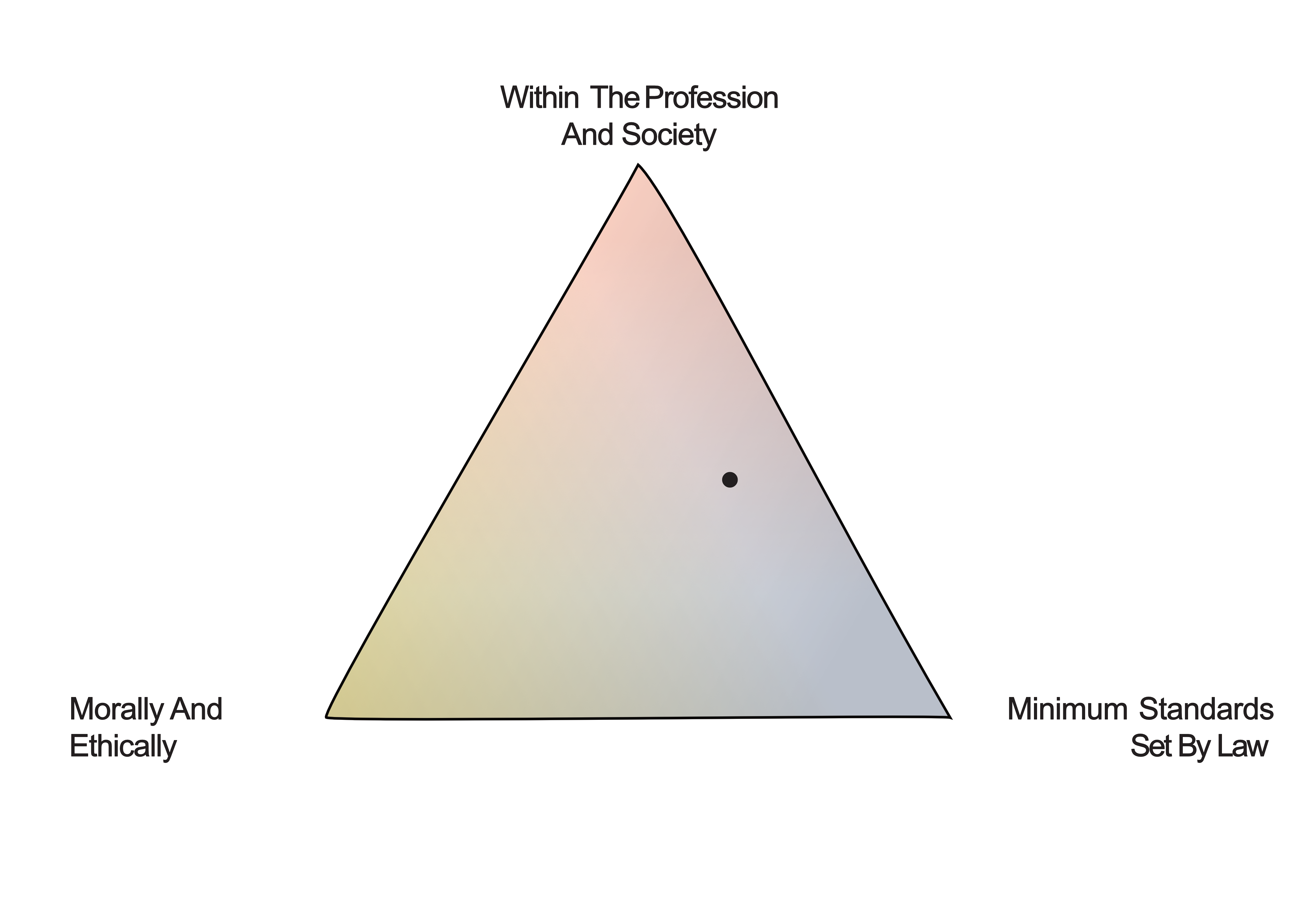
the Guggenheim Museum Bilbao designed by Frank Gehry
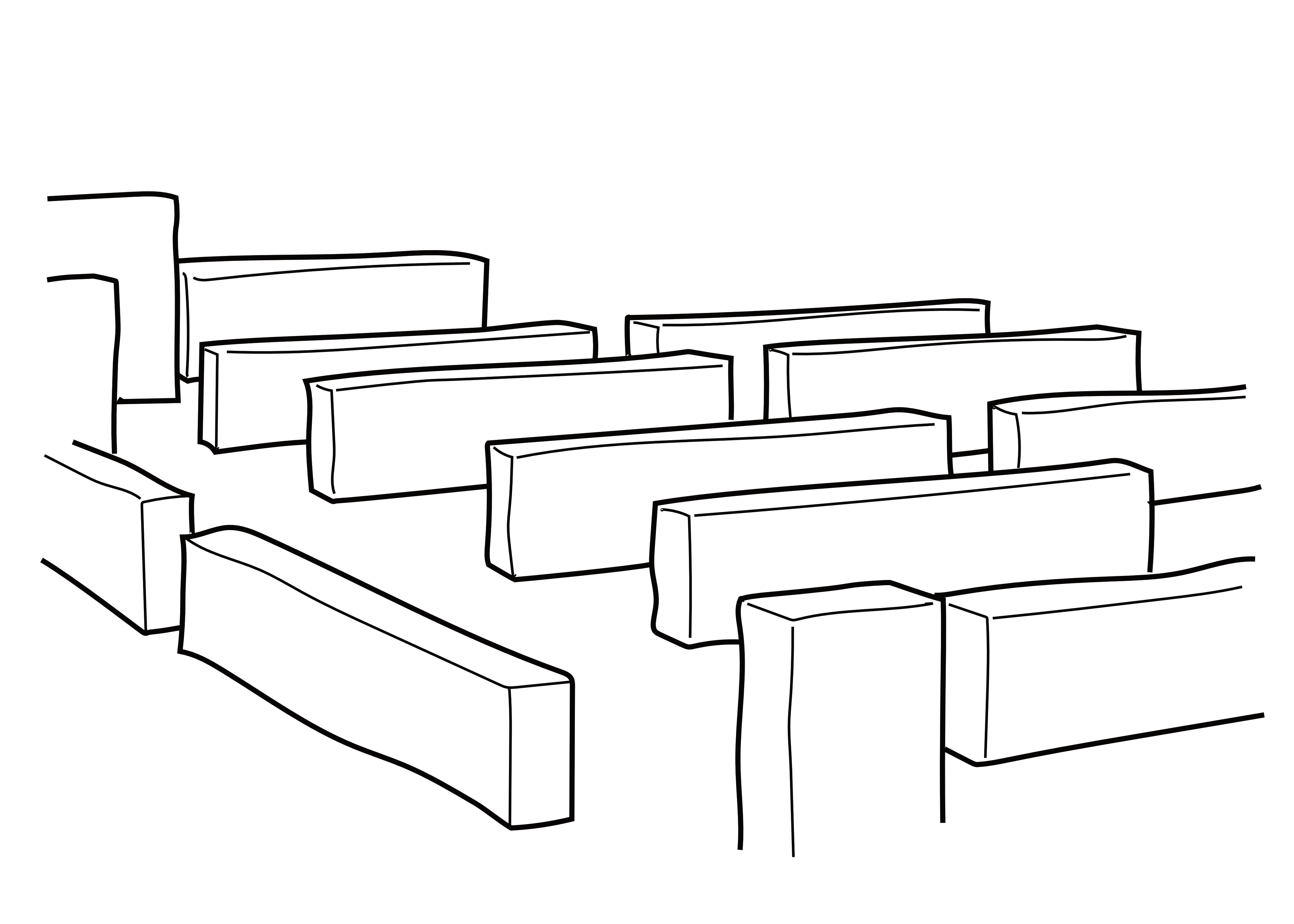
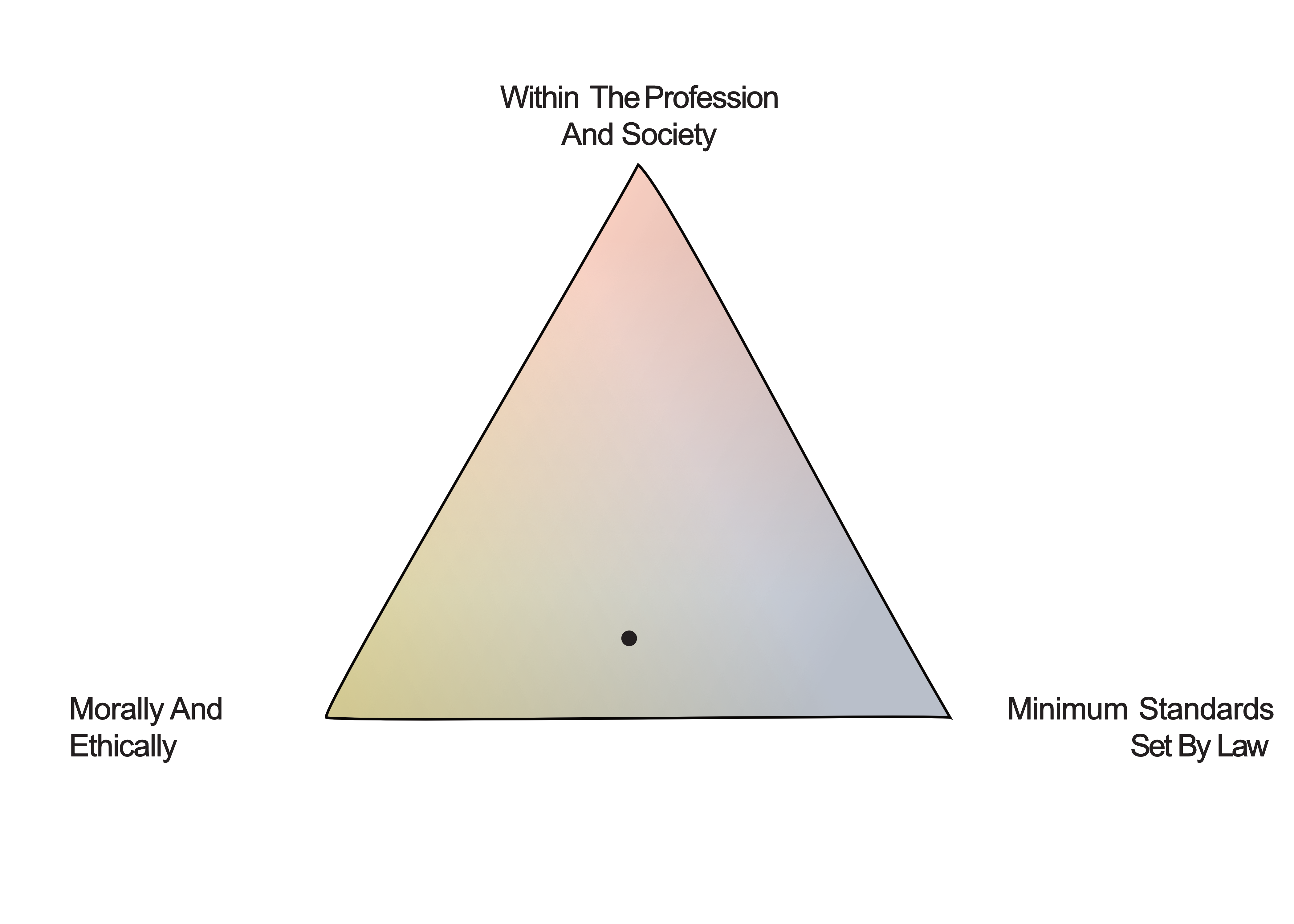
Representation of the stereotypical Soviet Housing Block Development. See The Ideal Communist City by Gutnov et al.
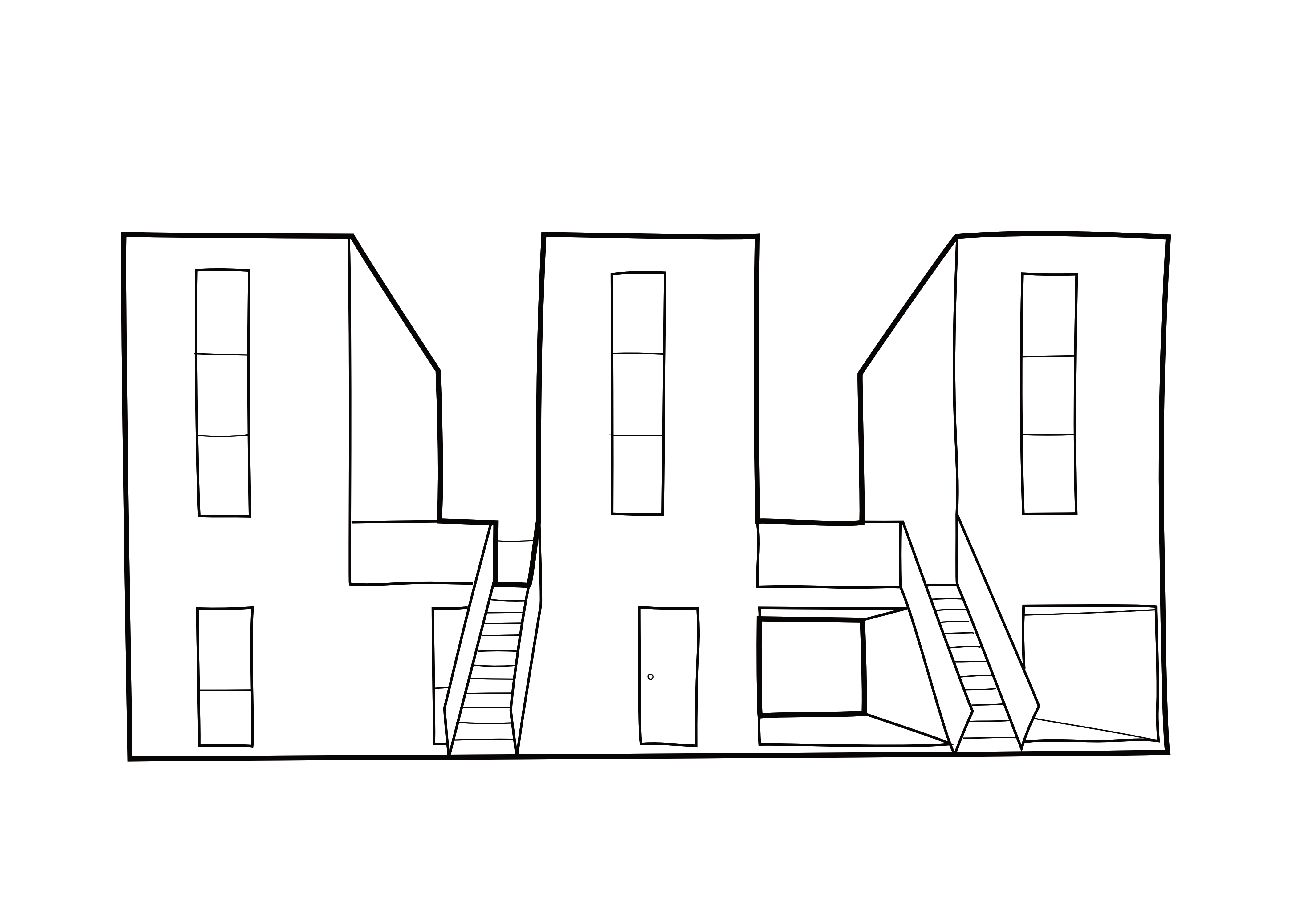
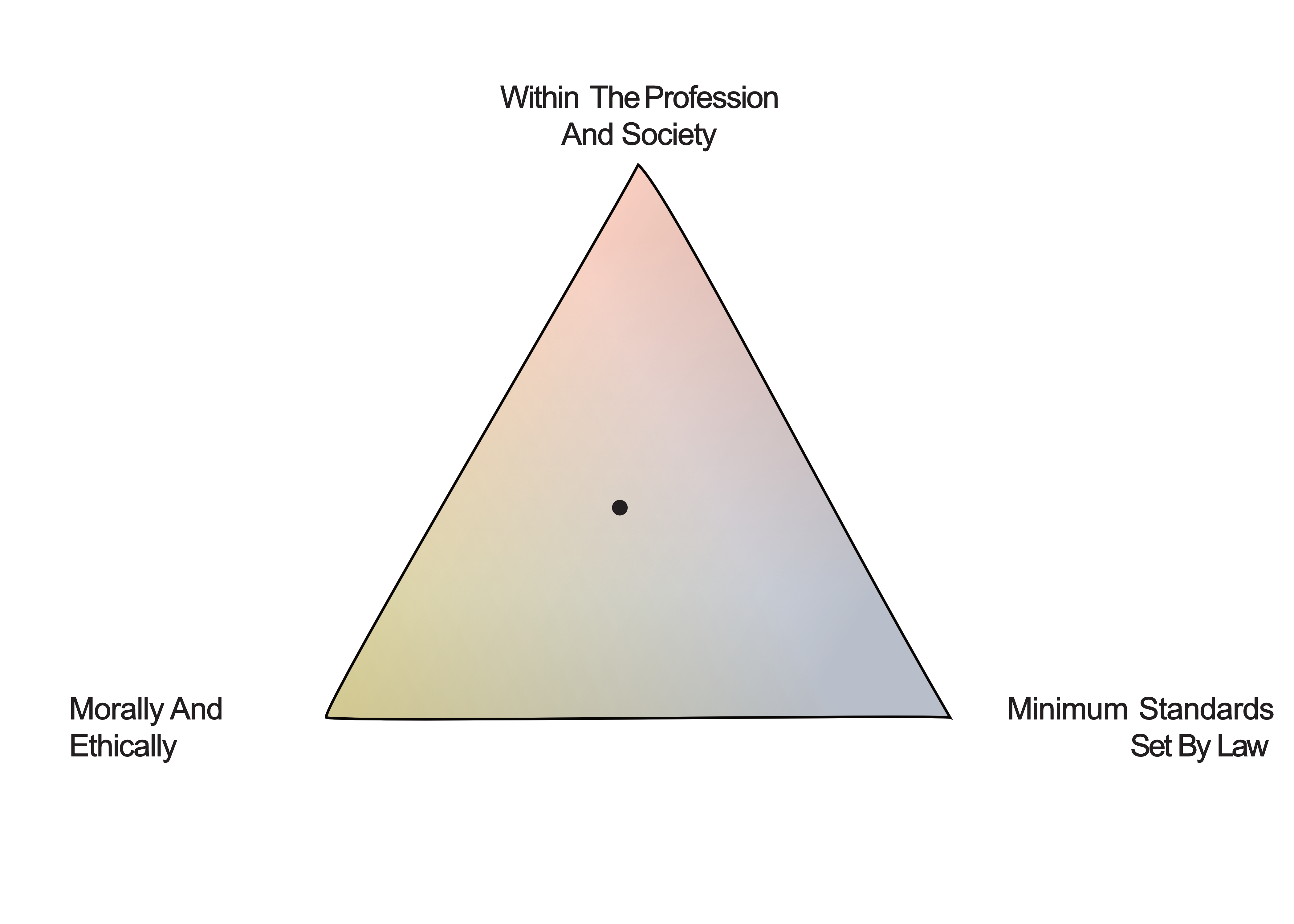
Incremental Housing by Alejandro Aravena/ELEMENTAL
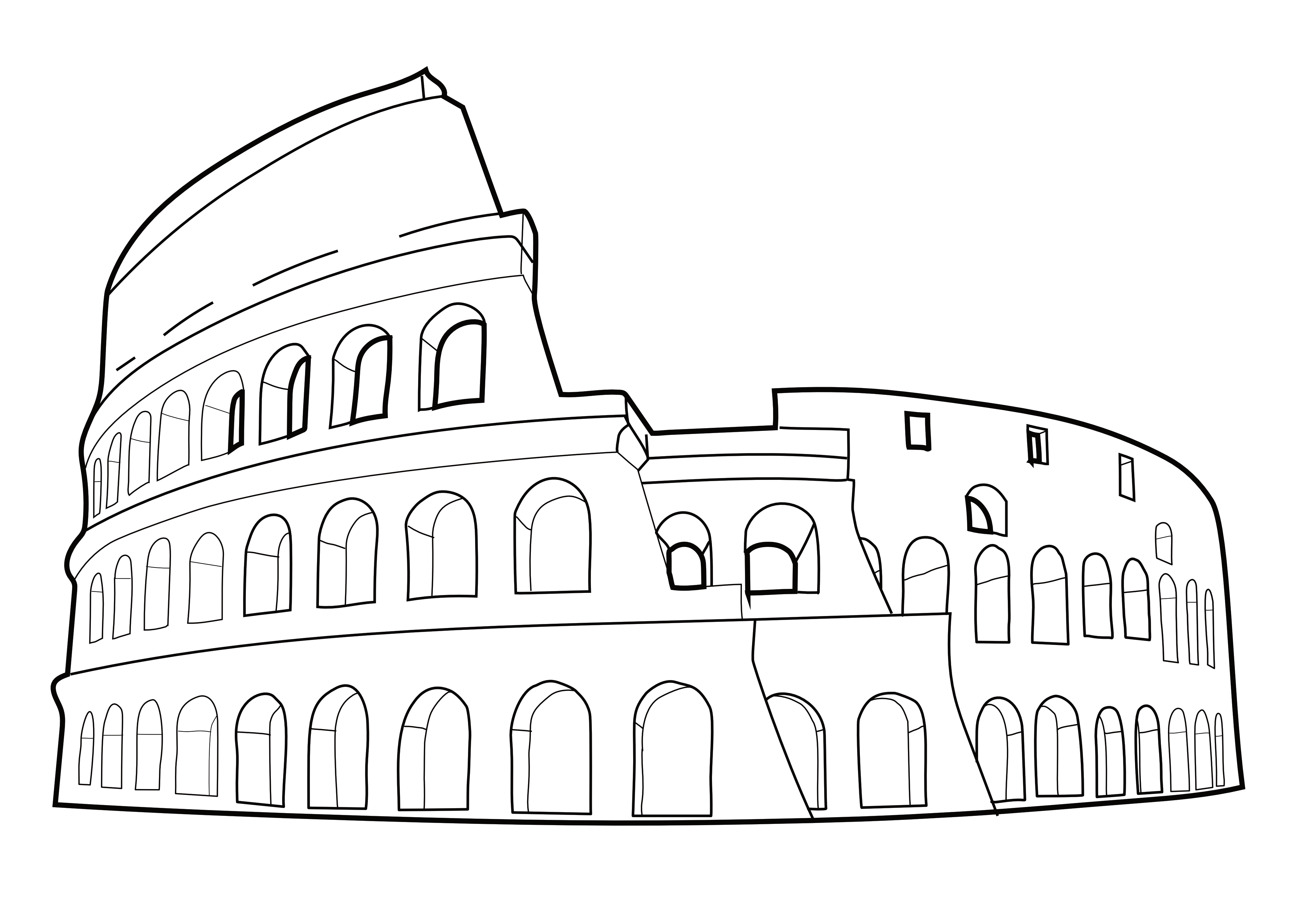
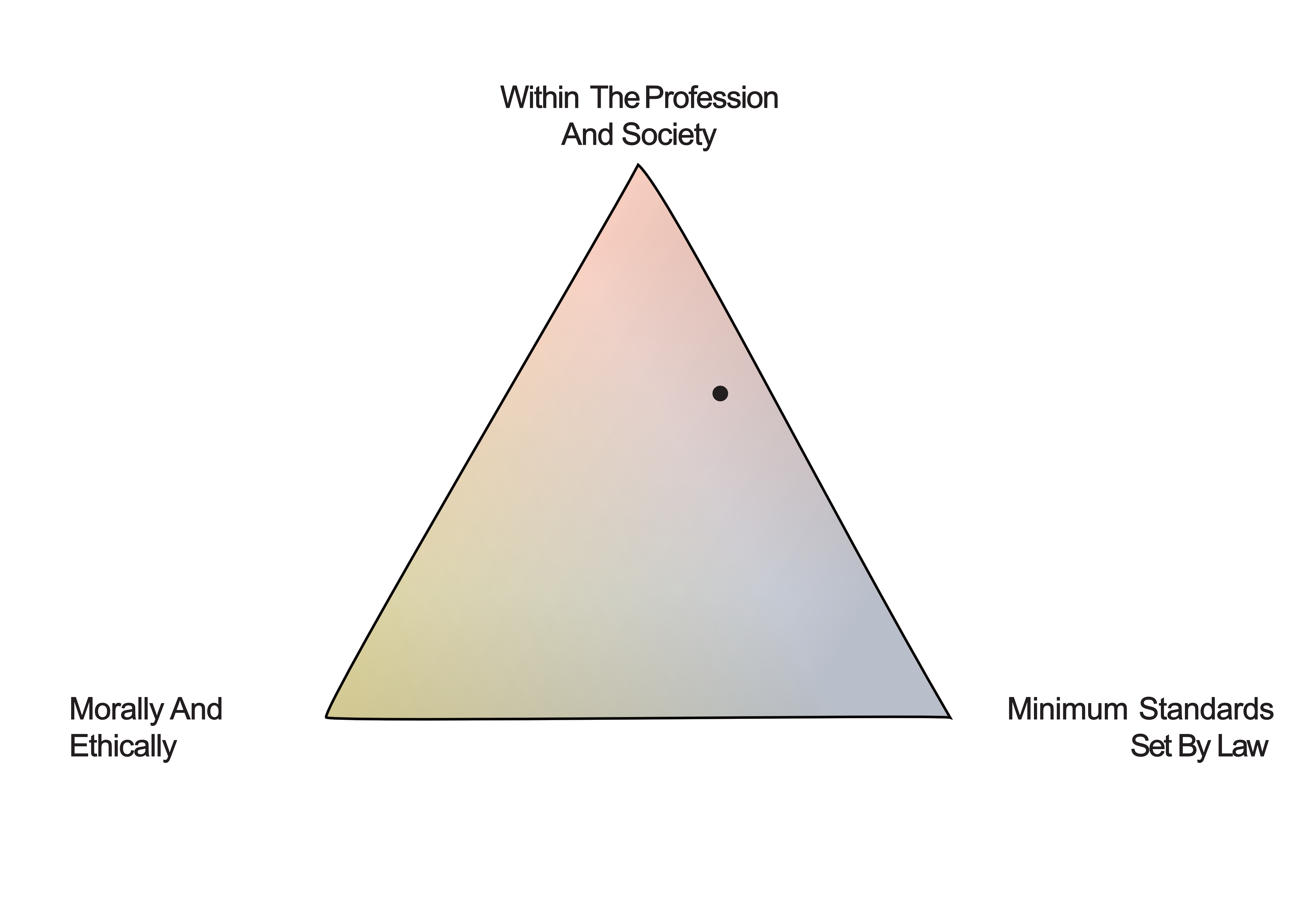
the Colosseum in Rome, Italy - Architect once known
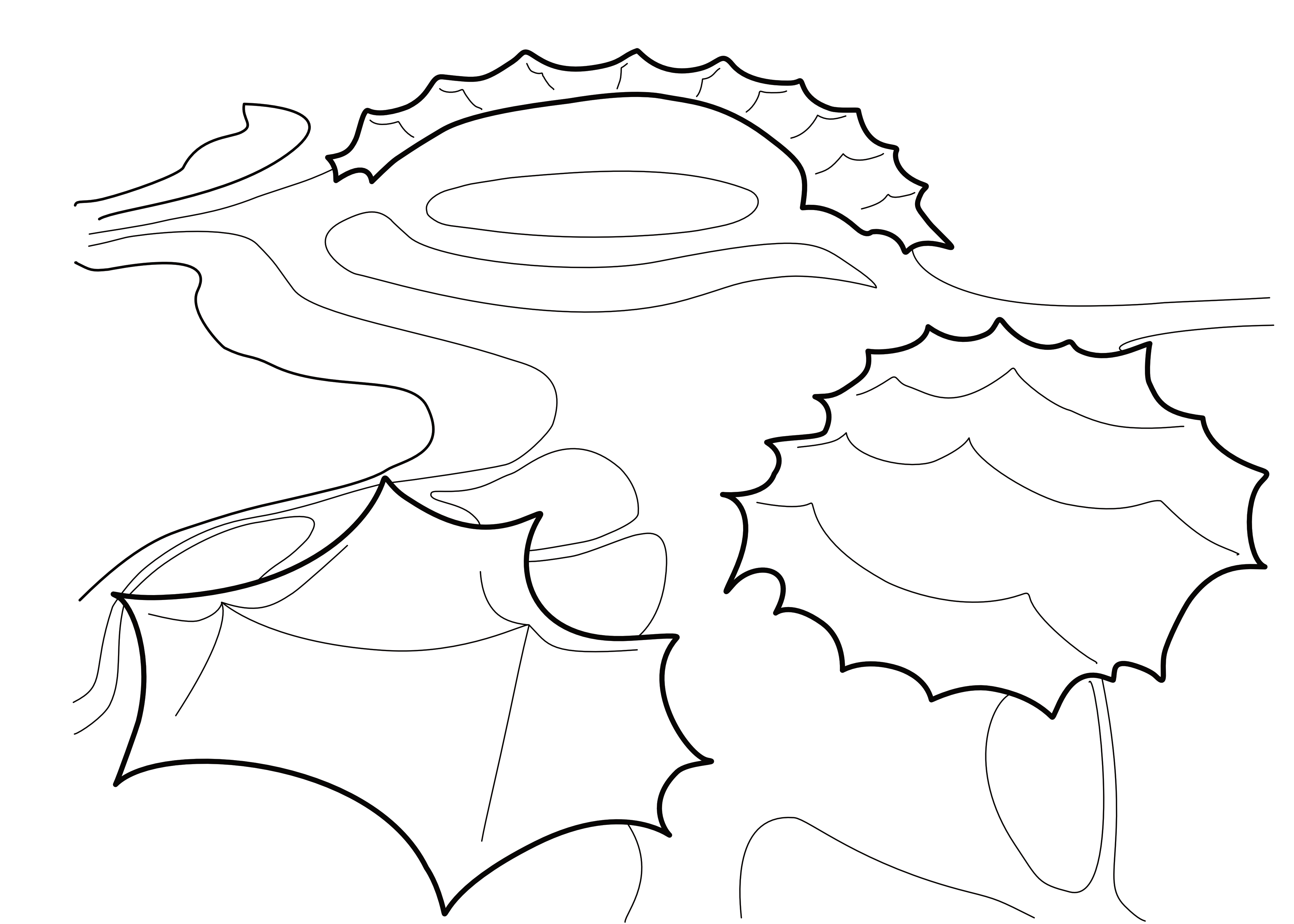
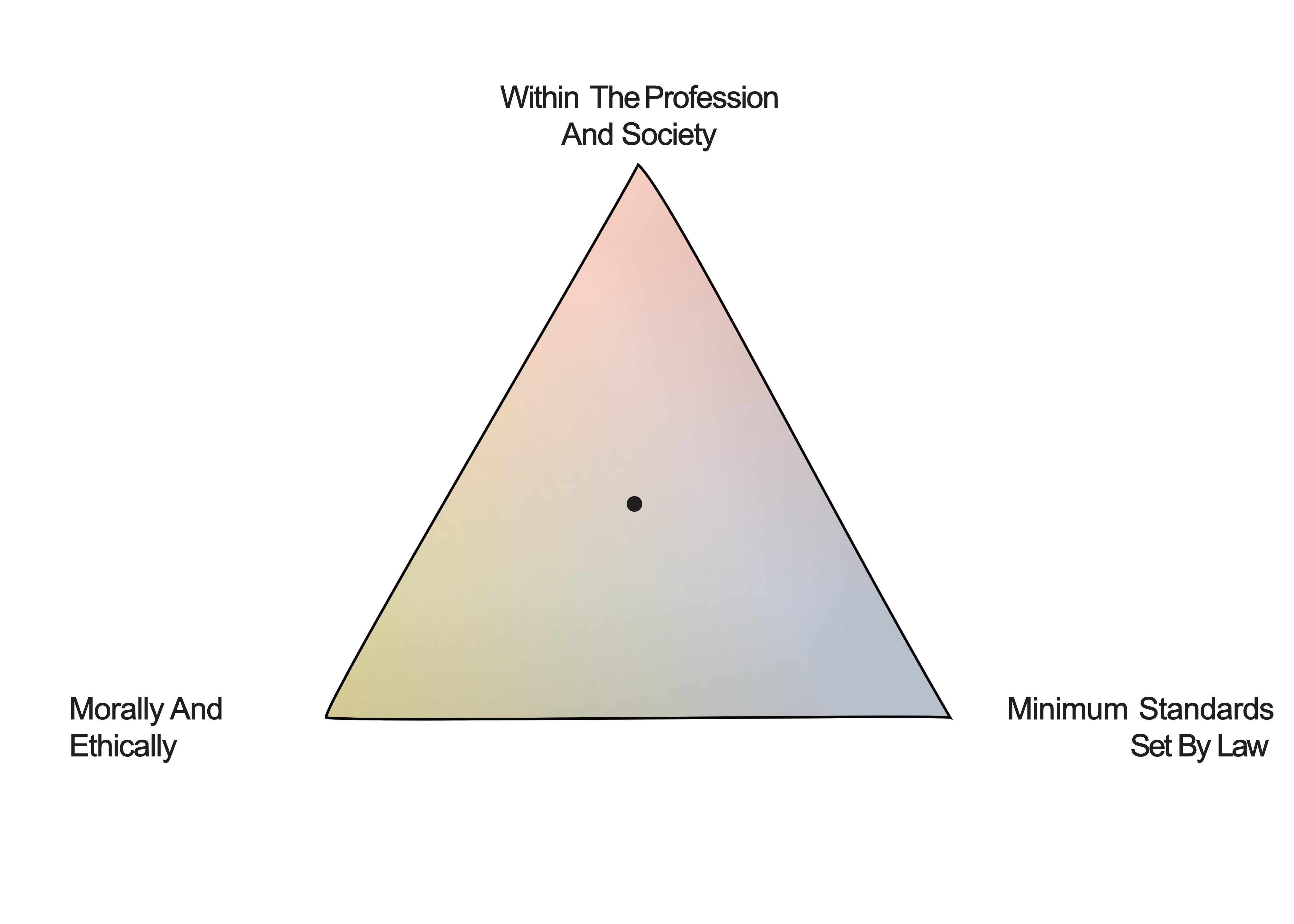
Olympiapark by Behnisch and Otto
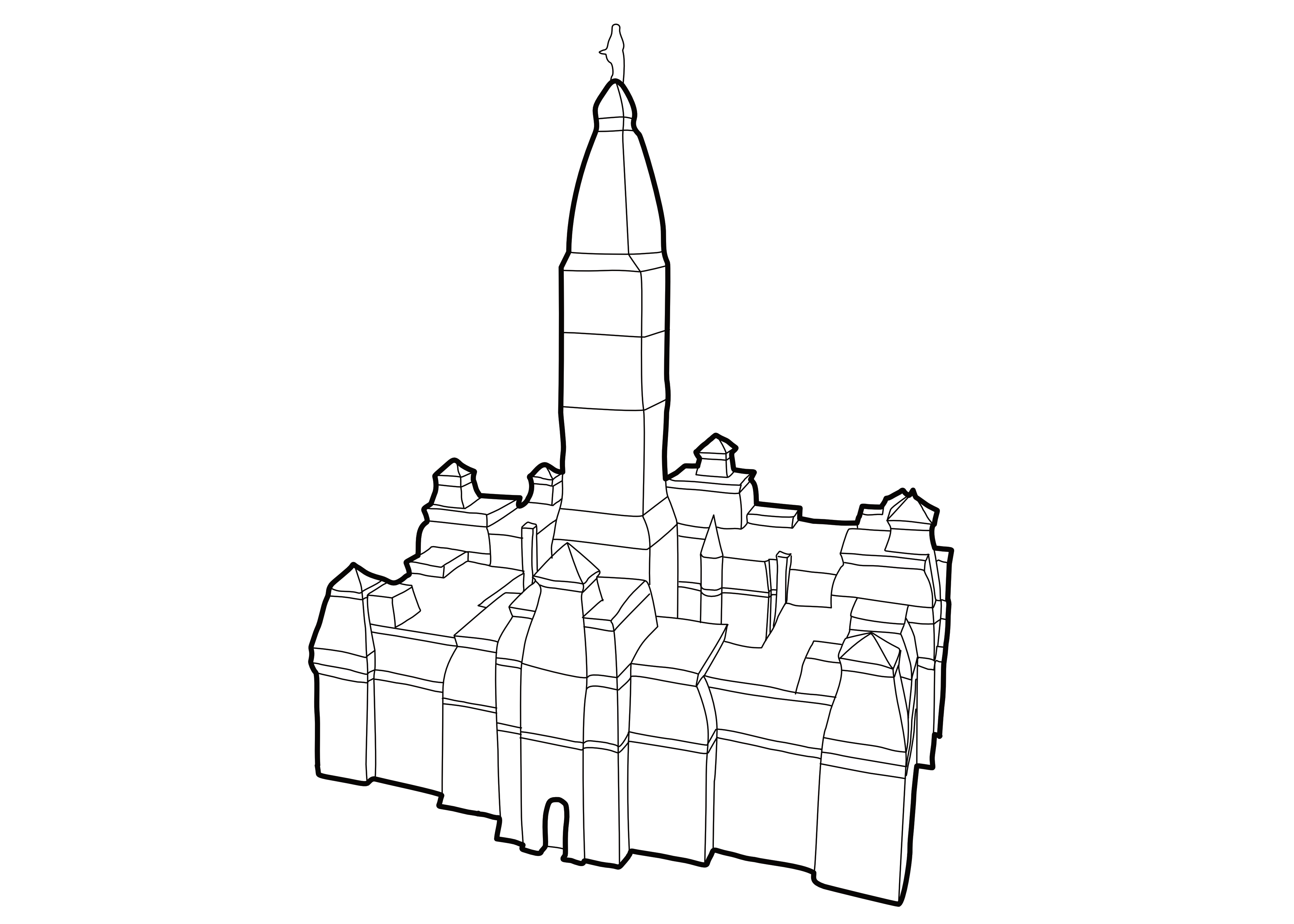
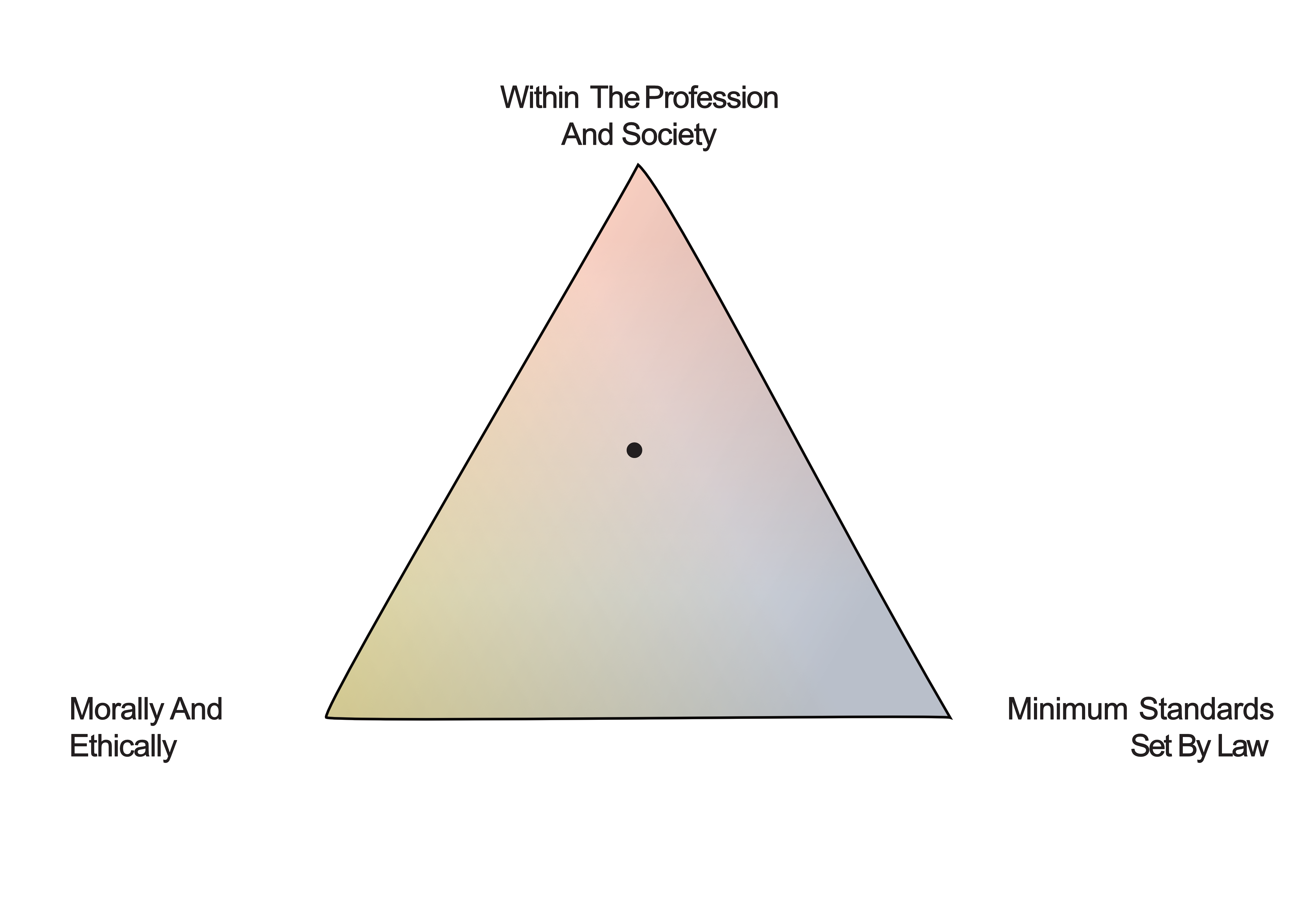
Philadelphia, PA City Hall by John McArthur Jr. and Thomas Walter
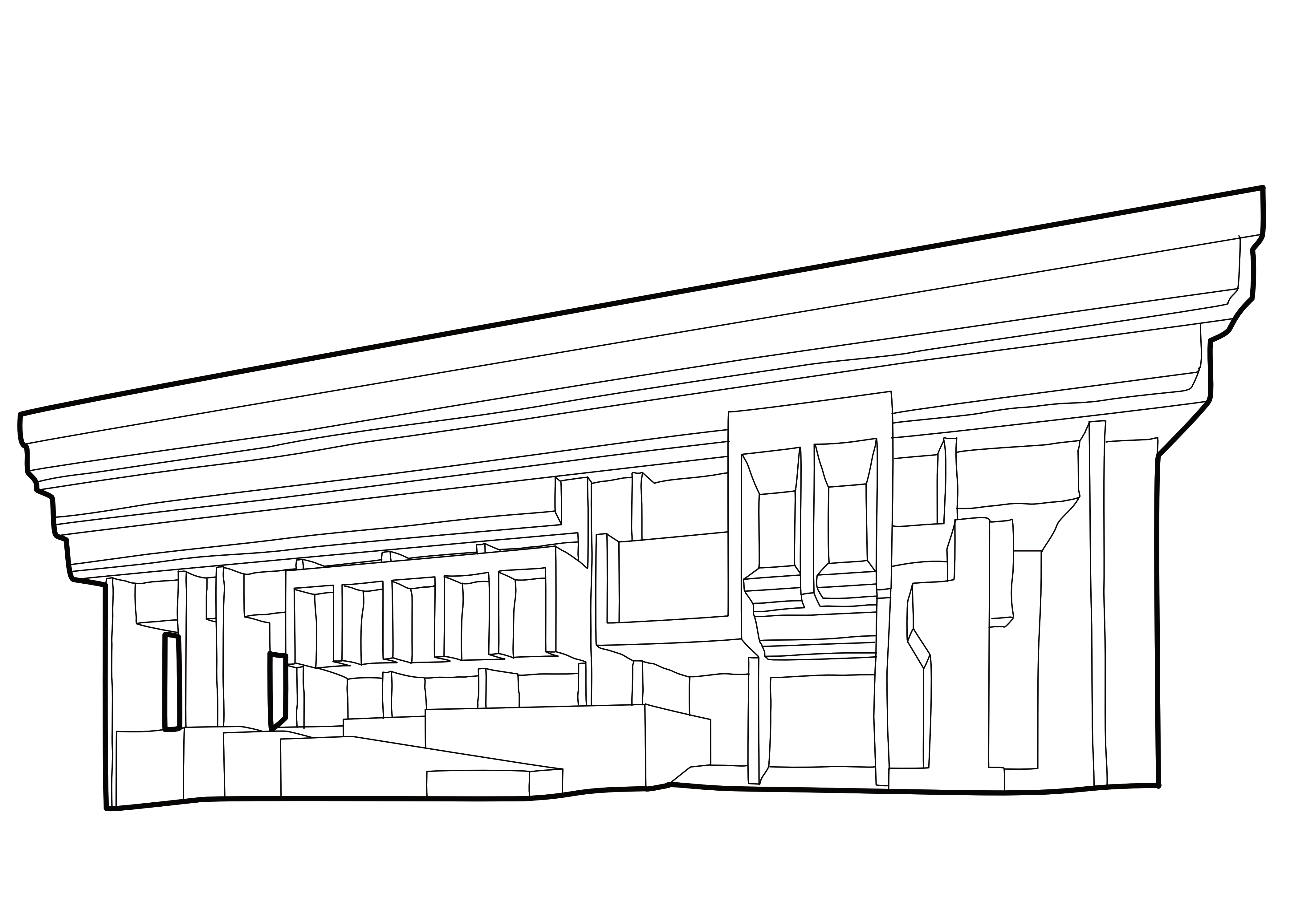
Boston, MA City Hall by Kallmann, McKinnell, and Knowles